


A cash out refinance lets you turn the equity in a rental into cash for your next purchase, a renovation or paying off expensive short term debt. On an investment property the rules are tighter than on your own home: lower loan to value limits, waiting periods and higher pricing. This guide covers how much you can take out, how soon, what it really costs and when it makes sense for a California rental.
Quick answer
With a conventional loan, you can borrow up to 75% of a one unit rental’s appraised value and up to 70% on a two to four unit rental. At least one borrower must have been on title for six months, and a first mortgage being paid off must be at least 12 months old. If you bought the property with cash, delayed financing lets you recover your investment within six months. DSCR lenders offer similar limits without tax returns. A cash out refinance pays when the cash earns more than the added cost of the new loan, and it rarely pays if it means giving up a much lower rate on a large balance.
How much cash can you take out of a rental property?
The lender caps the new loan at a percentage of the appraised value. Subtract what you owe, then subtract closing costs, and the rest is your cash.
| Loan type | One unit rental | Two to four unit rental |
|---|---|---|
| Conventional cash out | Up to 75% of value | Up to 70% of value |
| DSCR cash out | Commonly 70% to 75%, set by each lender | Often similar or lower |
| HELOC or home equity loan | Offered by fewer lenders on rentals, usually at lower limits | Limited availability |
Example: Say a single family rental appraises at $800,000 and you owe $350,000. At 75%, the maximum new loan is $600,000, so you could take out up to $250,000 before closing costs. On a duplex worth $1,200,000 with $500,000 owed, the 70% limit allows a $840,000 loan and up to $340,000 in cash before costs.
Loan limits still apply. In Orange and Los Angeles counties, a conventional loan on a one unit rental can reach $1,249,125 in 2026. Larger loans move to jumbo or DSCR financing.
How soon can you do a cash out refinance on a rental?
Fannie Mae’s rules set the standard for conventional loans:
- Six months on title. At least one borrower must have been on title for at least six months before the new loan funds.
- A 12 month old first mortgage. If the refinance pays off an existing first mortgage, that loan must be at least 12 months old, measured from its note date to the new note date.
- Off the market. A property that was listed for sale must be taken off the market by the time the new loan funds.
Bought with cash? Use delayed financing
If you paid cash, the delayed financing exception lets you refinance within six months of the purchase without waiting out the title rule. The new loan can be no more than your documented investment in the purchase plus closing costs, prepaid fees and points, and the settlement statement must show no mortgage financing was used. Investors who buy with cash, renovate and then refinance lean on this rule, so keep every receipt and bank statement from the purchase.
DSCR lenders set their own waiting periods. Some limit the loan to what you paid plus documented improvements until you have owned the property for a set time, even if it now appraises higher. Ask before you schedule the appraisal.
What does a rental cash out refinance really cost?
More than the closing costs on the settlement statement. Weigh four things:
- Pricing. Fannie Mae adds separate price adjustments for cash out refinances and for investment properties, and they stack. Expect a higher rate than you would get on a purchase or a rate and term refinance of the same property.
- Your existing rate. A cash out refinance replaces your whole first mortgage. If your current rate is well below today’s, the new rate applies to the entire balance, not just the cash you take out.
- Prepayment penalties. Many DSCR loans carry one. Check your current note before you apply, because paying off a loan inside its penalty period can cost thousands.
- Cash flow. A bigger loan means a bigger payment. Make sure the rent still covers it with room for vacancies and repairs.
The comparison that matters: multiply the new rate by the new loan amount, and compare it with your current rate times your current balance plus the rate on a second loan times the cash you need. Whichever total is lower is usually the cheaper way to raise the money, before closing costs.
Not sure whether to refinance or add a second loan?
John can price both on your rental and show you the annual cost of each way to raise the cash.
When does a cash out refinance on a rental pay off?
It pays when the cash earns more than the added cost of the new loan. Common examples:
- Funding your next rental. Equity from one property becomes the down payment on another. Remember the new purchase will need its own reserves.
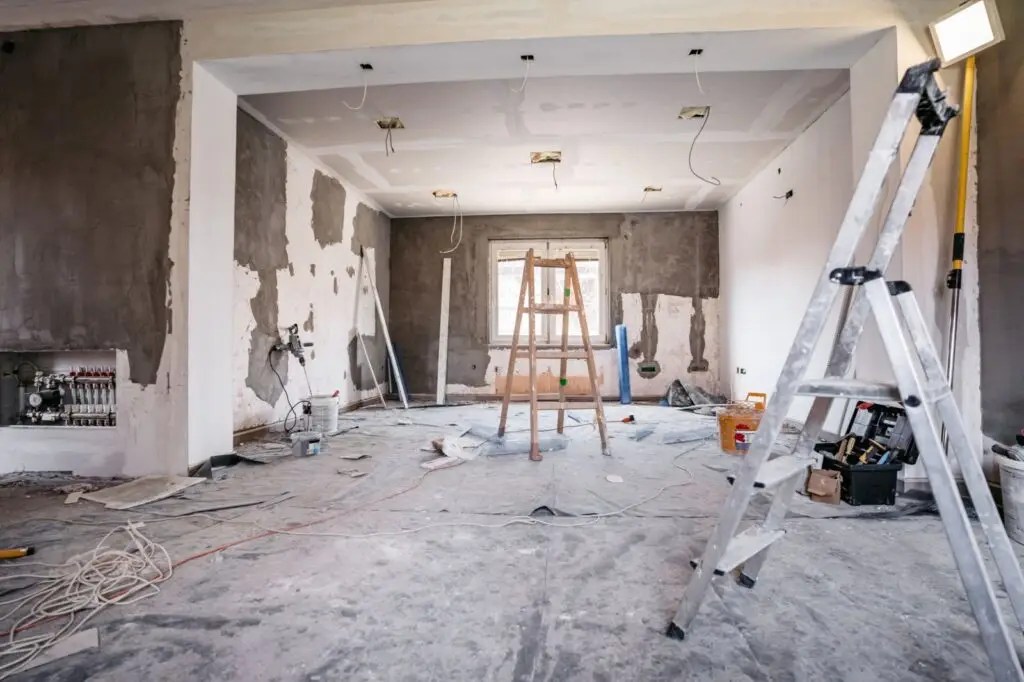
- Renovations that raise rent or value. Updating units, adding an ADU where local rules allow it or fixing deferred maintenance can lift both income and the next appraisal.
- Replacing expensive short term debt. Refinancing a hard money or bridge loan into long term financing once the property is stabilized.
- Buying out a partner. Using equity to take full ownership of a shared property.
It usually does not pay when:
- You would give up a much lower rate on a large balance to raise a relatively small amount of cash.
- The new payment would push the property into negative cash flow.
- You plan to sell within a year or two and would not recover the closing costs.
- The money is for personal spending. According to IRS Publication 527, interest on the part of a rental refinance used for purposes unrelated to the rental generally cannot be deducted as a rental expense. Talk with your tax advisor about how you will use the funds.
Should you choose a conventional or DSCR cash out?
Price both, because they suit different investors.
- Conventional usually has the lower rate and no prepayment penalty. You qualify on your personal income and debts, the property must be in your own name, and you can have up to ten financed properties.
- DSCR qualifies the property on its rent, commonly lends to LLCs and does not need your tax returns. Expect a higher rate and, in most cases, a prepayment penalty on the new loan.
If most of your equity sits in one property and your rate is low, a second loan against the rental can be cheaper than refinancing the whole balance, although fewer lenders offer them on investment properties. Our investment property loan guide explains how reserves and rental income are counted when you use the cash to buy again.

How to plan a cash out refinance on a rental
- Know your dates. Confirm how long you have been on title and the note date of your current loan.
- Read your current note. Check for a prepayment penalty and when it ends.
- Estimate value and rent. Gather recent comparable sales, current leases and proof of rent deposits.
- Decide how much cash you actually need. Borrowing the maximum raises your payment. Match the loan to the plan.
- Compare every route. Ask for a conventional cash out, a DSCR cash out and a second loan priced on the same property.
- Plan the next move. If the cash is for another purchase, get preapproved for that property before you close, so the reserves and debt from the refinance are already accounted for.
Frequently asked questions
How soon can I do a cash out refinance on a rental property?
For a conventional loan, at least one borrower must have been on title for six months, and any first mortgage being paid off must be at least 12 months old. If you bought the property with cash, delayed financing allows a refinance within six months of purchase, up to your documented investment plus closing costs.
How much equity can I take out of an investment property?
Conventional loans allow up to 75% of the appraised value on a one unit rental and 70% on a two to four unit rental. DSCR lenders commonly allow 70% to 75%. What you owe and your closing costs come out of that amount.
Is cash out refinance money taxable?
Loan proceeds are generally not taxable income because you have to repay them. How the interest is treated depends on how you use the money: interest on proceeds used for purposes unrelated to the rental generally cannot be deducted as a rental expense. Ask your tax advisor about your situation.
Can I get a HELOC on a rental property?
Some lenders offer home equity lines of credit and home equity loans on investment properties, but fewer than on primary residences, and they usually allow less borrowing and charge higher rates. It is worth pricing one when your first mortgage rate is low.
Can I cash out refinance a rental owned by my LLC?
DSCR lenders commonly lend to LLCs. Conventional loans are made to individuals, so the property generally needs to be in your personal name at closing. Talk with your legal and tax advisors before moving a property between you and an LLC.
Can I use cash out money to buy another rental?
Yes. Many investors use equity from one property as the down payment on the next. The lender for the new purchase will verify where the funds came from and include the refinanced loan’s payment in your qualifying numbers.
John Goodpaster
Senior Managing Director, ARBOR Financial Group. More than 20 years in mortgage banking, specializing in investment property financing in Southern California.
NMLS #230125
DRE #01259719
Licensed in California
Sitting on equity in a Southern California rental?
See the cheapest way to put it to work.
John Goodpaster can compare a conventional cash out, a DSCR cash out and a second loan on the same property and show you the cost of each.



Sources and official resources
Information checked September 27, 2026. Loan limits, program rules and assistance funding change, so confirm current terms before you rely on them.
This article is for general education only and is not a loan offer, commitment to lend, or tax or legal advice. Rates, terms, fees and programs vary by lender and are subject to change without notice. All loans are subject to credit approval, underwriting guidelines and property eligibility. John Goodpaster, NMLS #230125, DRE #01259719. ARBOR Financial Group is a DBA of The Turnkey Foundation Inc., NMLS #236669 (NMLS Consumer Access). Equal Housing Opportunity.